
Supreme Court Decision Helps Survivors Protect Their Children
July 1, 2015
Significant research shows that men who abuse their partners are significantly more likely to also physically or sexually abuse their children. However, as many prosecutors will state, getting proof of a crime against young children into evidence can be extremely difficult. Often, the child’s testimony is the best or only evidence. Yet very young children may not be permitted to testify in court or may not be believed when they do.
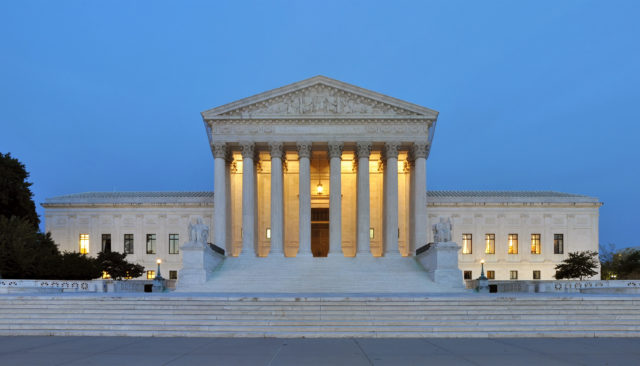
Thanks to the recent U.S. Supreme Court decision in Ohio v. Clark, prosecutors will now have another way to get evidence of child abuse before the jury.
Normally, what someone says outside of the courtroom is called “hearsay” and is not admissible as evidence. However, there are many exceptions to this rule, and the Supreme Court just clarified one: now, when a very young child tells their teacher what happened and who did it, the teacher may be permitted to testify in court, relating what the child said, regardless of whether the teacher is a mandatory reporter of child abuse.
Although Ohio v. Clark was a criminal trial, courts often apply similar rules in civil cases – especially custody disputes where one parent is alleging the other parent abused the children. Courts have been skeptical of such claims, with the sad result that the abusive parent often is awarded sole or joint custody of the child against whom abuse has been directed.
By ruling that these out-of-court statements may be admitted into evidence, the Supreme Court has given survivors another potential way to protect their children.